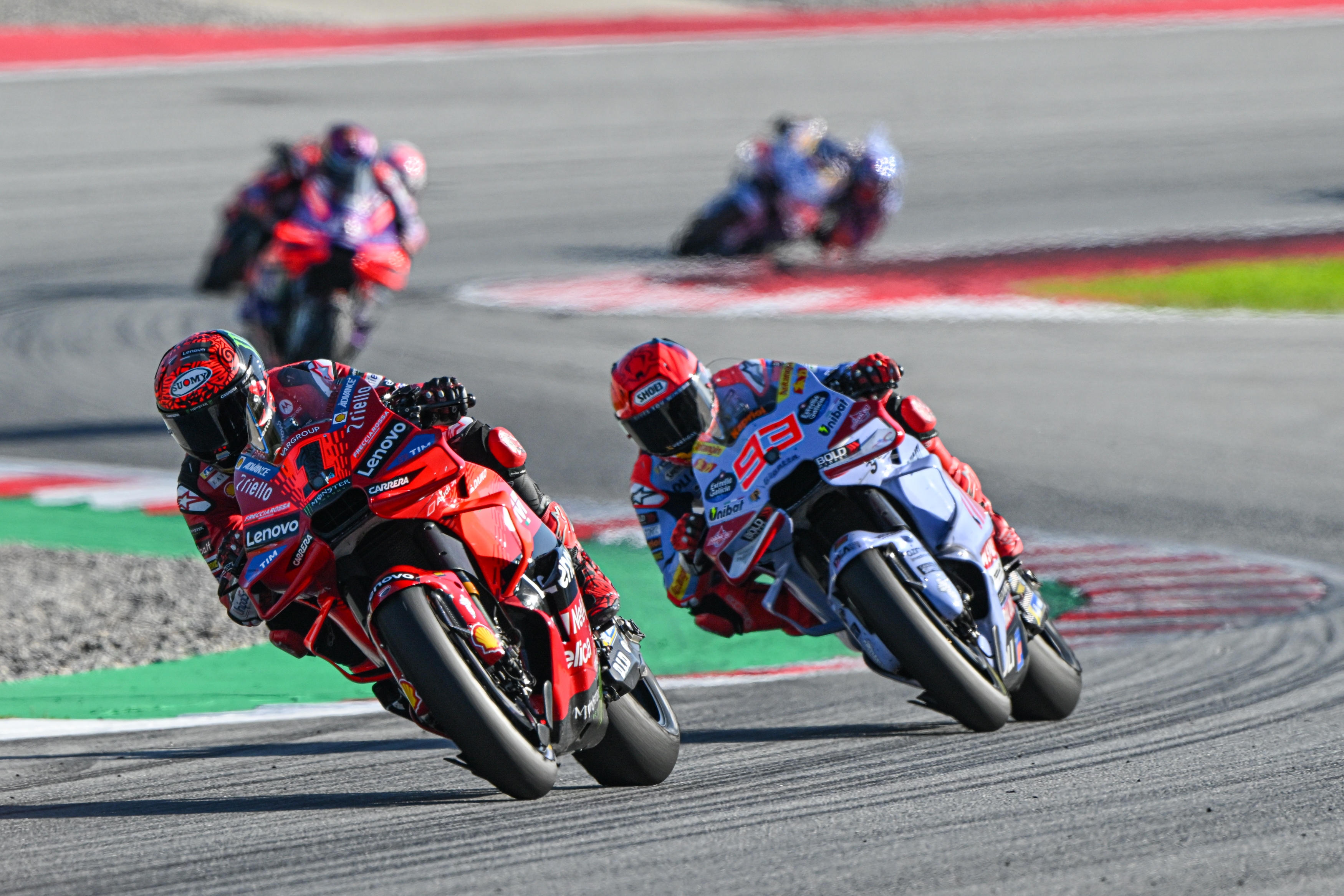
MotoGP 2024: The Ultimate Guide to Teams, Race Calendar, and Championship Dynamics
The roar of engines, the flash of vibrant liveries, and the unparalleled skill of the world's most elite motorcycle riders – this is the essence of the
Motor Gp World Championship. As the pinnacle of two-wheeled motorsport, MotoGP captivates millions with its high-octane drama, groundbreaking technology, and razor-thin margins of victory. The 2024 season promises to be another thrilling chapter, showcasing fierce competition across a globe-trotting calendar. From the powerhouse teams vying for supremacy to the intricate point system that crowns a champion, understanding the mechanics of this spectacular sport is key to fully appreciating its grandeur. Let's delve into everything you need to know about MotoGP 2024.
The Elite Teams of MotoGP 2024: Who's Battling for Glory?
The foundation of the
Motor Gp championship lies in its formidable teams, each a meticulously engineered operation combining cutting-edge technology with unparalleled human talent. The 2024 grid is composed of 11 dedicated teams, each fielding two highly skilled riders who push the limits of speed and precision. This setup means a total of 22 riders competing fiercely for every available point, creating intense rivalries and strategic battles both on and off the track.
The landscape of MotoGP is dynamic, with various manufacturers and teams bringing their unique philosophies and innovations to the fore. Here are the teams making up the competitive field for 2024:
- Aprilia Racing: An Italian manufacturer with growing ambitions, consistently challenging the established order.
- Ducati Factory Racing Team: The current dominant force, showcasing incredible power and performance.
- Gresini Racing MotoGP: A satellite Ducati team known for nurturing talent and delivering strong results.
- Honda HRC Castrol Racing: A storied Japanese giant, working tirelessly to regain its former glory.
- LCR Honda: Another Honda-supported team, providing valuable development feedback.
- Monster Energy Yamaha MotoGP: A factory Japanese team with a rich history, focused on agility and rider feedback.
- Pertamina Enduro VR46 Racing Team: Valentino Rossi's satellite Ducati team, a fan favorite with a competitive edge.
- Prima Pramac Yamaha: A strong satellite Ducati squad, often a contender for race wins.
- Red Bull KTM Factory Racing: An Austrian powerhouse, known for its aggressive approach and continuous development.
- Red Bull KTM Tech 3: KTM's junior team, bringing up new talent within the manufacturer's stable.
- Trackhouse MotoGP Team: A new entry, signalling a fresh era for the sport with an American presence.
Each of these teams, whether a factory outfit or a satellite squad, plays a crucial role in the championship narrative. Factory teams often lead the way in development, while satellite teams frequently demonstrate the raw potential of a manufacturer's package in the hands of hungry riders. The internal team dynamics, where two riders on identical machinery battle for supremacy, add another fascinating layer to the competition. Understanding these relationships and the strengths of each manufacturer is vital for any keen follower of
Meet the Elite MotoGP Teams Battling for the Ultimate Championship.
Navigating the 2024 MotoGP Calendar: A Global Spectacle
The 2024
Motor Gp season is an epic journey spanning continents and cultures, challenging riders and teams with a diverse array of tracks and climates. With 22 Grand Prix events scheduled, the championship truly lives up to its "World Championship" moniker, making stops across Asia, Australia, Europe, North America, and South America. This extensive calendar, stretching from March to December, demands immense physical and mental fortitude from everyone involved.
The season typically kicks off under the lights in Qatar, offering a spectacular start to the year. From there, the circus travels globally, hitting iconic venues and thrilling new circuits alike. Some of the standout races from the calendar include:
- Qatar Grand Prix: Often the electrifying season opener.
- Portuguese Grand Prix: Kicking off the European leg.
- Spanish Grand Prix (Jerez) & French Grand Prix (Le Mans): Two historic European powerhouses.
- Italian Grand Prix (Mugello) & Dutch TT (Assen): Considered sacred ground for many MotoGP fans, known for their incredible atmosphere.
- German Grand Prix (Sachsenring) & Austrian Grand Prix (Red Bull Ring): Challenging tracks that test rider bravery.
- British Grand Prix (Silverstone): A fast, flowing circuit.
- Japanese Grand Prix (Motegi) & Indonesian Grand Prix (Mandalika): Highlighting MotoGP's strong presence in Asia.
- Australian Grand Prix (Phillip Island): A breathtaking coastal circuit, a favourite among riders.
- Argentinean Grand Prix & United States Grand Prix (Circuit of the Americas): Bringing the thrill of MotoGP to the Americas.
- Thai Grand Prix & Malaysian Grand Prix: Offering unique challenges in hot, humid conditions.
- Valencia Grand Prix: The traditional season finale, often the scene of championship deciders.
The logistical undertaking of moving teams, bikes, and equipment across five continents for 22 races is monumental. Riders must adapt quickly to varying track layouts, grip levels, and weather conditions, making each Grand Prix a unique challenge. The sheer breadth of the calendar ensures that the ultimate champion is truly a master of all conditions and circuits. For a deeper dive into each circuit,
Explore All 22 MotoGP Grand Prix Venues Across 5 Continents.
Understanding the MotoGP Championship Structure: How Points and Titles are Won
While the speed and spectacle of a
Motor Gp race are evident, the underlying structure of how championships are awarded is equally fascinating. The MotoGP season culminates in three main titles: the Riders' World Championship, the Constructors' World Championship, and the Teams' World Championship. Each is determined by a sophisticated points system accumulated across the entire season.
The Race Weekend Format
A typical Grand Prix weekend is a meticulously planned affair, building up to the main race.
- Friday: Free Practice (FP): Riders get multiple sessions to learn the track, test setups, and refine their bikes.
- Saturday Morning: Free Practice & Qualifying (Q1/Q2): More practice, followed by two crucial qualifying sessions. Riders in Q1 battle for a chance to advance to Q2, where the fastest riders compete for pole position (P1) and their starting grid spots for both the Sprint and Main Race.
- Saturday Afternoon: Sprint Race: Introduced to enhance the spectacle, the Sprint Race is a shorter version of the main event (approximately half the distance). It awards half points to the top nine finishers:
- 1st: 12 points
- 2nd: 9 points
- 3rd: 7 points
- 4th: 6 points
- 5th: 5 points
- 6th: 4 points
- 7th: 3 points
- 8th: 2 points
- 9th: 1 point
Sprint Races are incredibly intense, demanding aggressive riding and quick decision-making, and significantly impact the overall championship standings.
- Sunday Morning: Warm-up: A final short session for riders to fine-tune their bikes and get a feel for the track conditions.
- Sunday Afternoon: Grand Prix Race: The main event, a longer race (typically 40-45 minutes), where full championship points are awarded:
- 1st: 25 points
- 2nd: 20 points
- 3rd: 16 points
- 4th: 13 points
- 5th: 11 points
- 6th: 10 points
- 7th: 9 points
- 8th: 8 points
- 9th: 7 points
- 10th: 6 points
- 11th: 5 points
- 12th: 4 points
- 13th: 3 points
- 14th: 2 points
- 15th: 1 point
The Championship Titles Explained
1.
Riders' World Championship: This is the most prestigious individual title. It's awarded to the rider who accumulates the most points from all Sprint and Grand Prix races throughout the season. Consistency is paramount, as crashes or poor finishes can be incredibly costly.
2.
Constructors' World Championship: This title goes to the manufacturer whose *best-placed bike* finishes highest in each Grand Prix race (Sprint Race points do not count towards Constructors'). For example, if Ducati has five bikes in the top ten, only the points from the highest-finishing Ducati contribute to the Constructors' standings. This highlights a manufacturer's overall package strength.
3.
Teams' World Championship: This title is awarded to the team that accumulates the most points from *both* of its riders' performances in all Grand Prix and Sprint Races. It emphasizes the collective strength and performance of a specific two-rider squad.
In cases of a points tie at the end of the season for any championship, the winner is determined by who has the most race wins. If still tied, it goes to the most second-place finishes, and so on. This comprehensive scoring system ensures that only the most consistent, talented, and well-supported riders and manufacturers can claim the ultimate glory in the world of
Motor Gp.
Beyond the Track: What Makes MotoGP So Captivating?
Beyond the raw speed and the championship points,
Motor Gp offers a multi-faceted spectacle that draws fans from all walks of life. The allure lies not just in the races themselves, but in the intricate dance between human skill and cutting-edge technology.
The Human Element: Bravery and Precision
MotoGP riders are extraordinary athletes. They navigate their bikes through corners at incredible lean angles, brake from over 300 km/h to under 100 km/h in mere seconds, and manage the physics of a powerful machine with microscopic precision. Their ability to read the track, manage tyre wear, and execute overtakes under immense pressure is a testament to their physical conditioning, mental fortitude, and years of dedication. The rivalries, the comebacks, and the sheer grit displayed by these athletes forge compelling narratives that transcend the sport.
Technological Marvels
Behind every rider is a team of engineers pushing the boundaries of what's possible. MotoGP bikes are prototypes, showcasing the pinnacle of motorcycle engineering. From aerodynamic wings that generate crucial downforce to sophisticated electronic systems that manage power delivery and traction control, every component is designed for maximum performance. This constant innovation drives not just the sport but also influences future road bike technology, making MotoGP a fascinating proving ground for two-wheeled development.
Tips for Enjoying the MotoGP Season
*
Follow Key Riders: While the championship is about the title, following specific riders – be it a veteran champion, an exciting rookie, or a fan-favourite underdog – adds a personal connection to the racing.
*
Understand the Tactics: Pay attention to tyre choices (soft, medium, hard), which can significantly impact race strategy. Watch for slipstreaming on straights and aggressive braking zones for overtaking opportunities.
*
Watch Sprint Races: These shorter, high-intensity races often feature non-stop action and give a taste of the main event's excitement. They are crucial for championship points!
*
Explore Off-Track Content: Many official channels and sports broadcasters offer behind-the-scenes documentaries, rider interviews, and technical analyses that enrich the viewing experience.
Conclusion
The 2024
Motor Gp season is poised to deliver another year of breathtaking racing, showcasing the very best in motorcycle sport. With its formidable teams, a truly global calendar spanning 22 diverse venues, and a sophisticated championship structure that rewards consistency and brilliance, MotoGP is more than just a series of races – it's an enduring saga of speed, skill, and relentless innovation. Whether you're a seasoned fan or a newcomer to the sport, understanding these core elements will undoubtedly enhance your appreciation for the ultimate two-wheeled spectacle. Prepare for a season filled with unforgettable moments as the world's fastest riders battle for supremacy.